Author: Michael Phillips
-

Alabama Judge Sentencing Case Shows Why Accuracy—and Accountability—Still Matter
Former Alabama Circuit Judge Gil Self was sentenced to 12 years in prison for misusing public funds, contrary to misleading reports suggesting a 50-year term. Alongside a $5,000 fine and a permanent public office ban, his case highlights the importance of accurate reporting and judicial accountability, especially concerning public trust in courts.
-
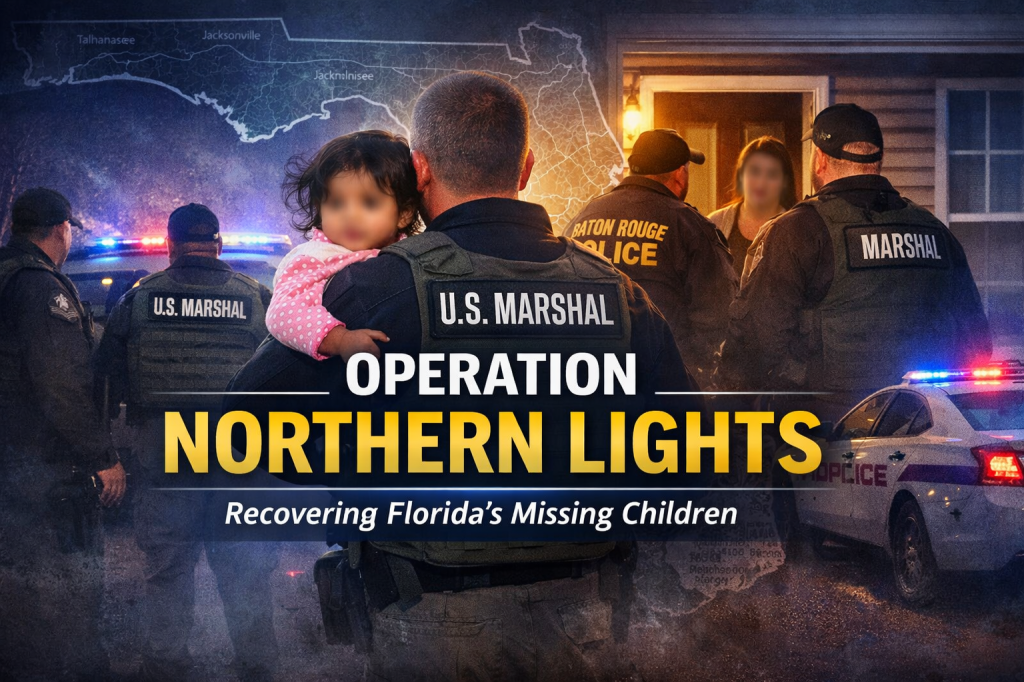
Operation Northern Lights: A Quiet but Powerful Win for Florida’s Most Vulnerable Children
Operation Northern Lights successfully recovered 43 missing children across Florida and neighboring states, showcasing effective law enforcement collaboration. Led by the U.S. Marshals Service, this operation highlighted the importance of inter-agency cooperation and resulted in significant arrests. However, it also raised questions about the underlying causes of child disappearances and the need for preventive measures.
-

South Carolina’s Coercive Control Bill Could Redefine Abuse — and Reshape Family Court
South Carolina’s Senate Bill 702 aims to recognize “coercive control” as domestic abuse, significantly altering how family courts handle custody and divorce cases. While supporters see it as a means to protect victims of psychological abuse, critics warn it may infringe on due process rights, creating potential for misuse in contentious family disputes.
-

Florida’s Migration Slowdown Isn’t an Exodus — It’s a Normalization After an Unusual Boom
Recent reports suggest a decline in domestic migration to Florida, but the state is not facing a crisis. While high housing costs and insurance premiums have slowed the post-pandemic influx, Florida’s population still grows through international migration. The narrative of a mass exodus is exaggerated; Florida is simply normalizing.
-

Quiet RICO: How a Small-Town Georgia DA Used a Powerful Law Without the Spotlight
Marie Broder, the district attorney for Georgia’s Griffin Judicial Circuit, employs the RICO law effectively, filing 13 indictments against 299 defendants, primarily targeting local gangs. Unlike Fulton County’s DA, she emphasizes restraint, achieving significant outcomes with fewer resources. Her approach, focusing on community safety over publicity, marks a notable model in prosecution.
-

South Carolina’s Family Court Fight Offers a Warning for Florida: Why Shared Parenting Reform Matters
A debate in South Carolina over shared-parenting reform highlights concerns that resonate in Florida, where similar issues persist. Advocate Rom Reddy argues for a 50/50 parenting presumption, revealing court overreach and inconsistencies. He emphasizes that reforms must be enforced to protect parental rights, ensure accountability, and prevent false accusations, impacting families nationwide.
-
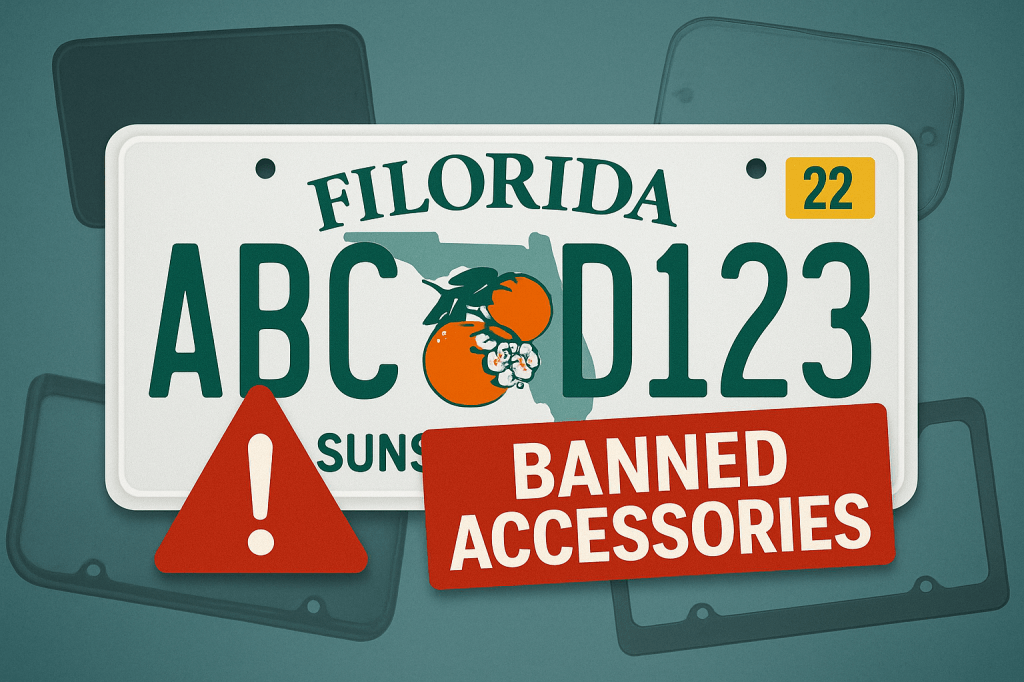
Florida Cracks Down on License Plate Frames and Covers: What Drivers Need to Know
Starting January 1, 2026, Florida will ban various license plate accessories, aiming to enhance vehicle identification. The law prohibits items like tinted covers and decorative frames, raising concerns among drivers about overreach and increased traffic stops. Critics argue it burdens citizens rather than addressing the real issue of vehicle identification.
-
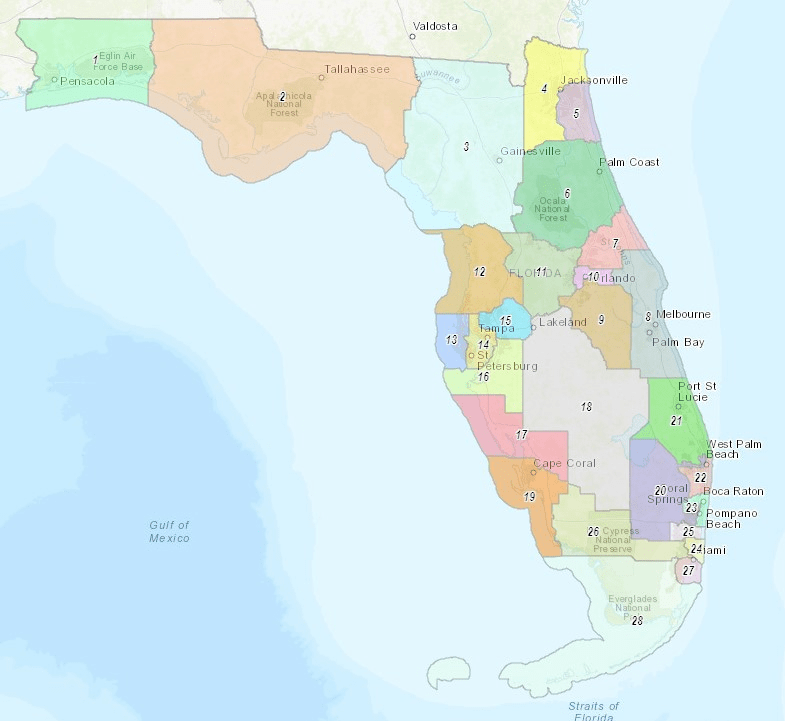
Florida Republicans Push Mid-Decade Redistricting: A Bold Move to Correct an ‘Undercounted’ State or a Risky Power Play?
Florida is experiencing a political push for mid-decade congressional redistricting led by Republican lawmakers, citing significant population growth and a census undercount in 2020. Supporters claim this correction is necessary for fair representation, while critics view it as a partisan strategy to solidify Republican power and undermine voting rights.
-
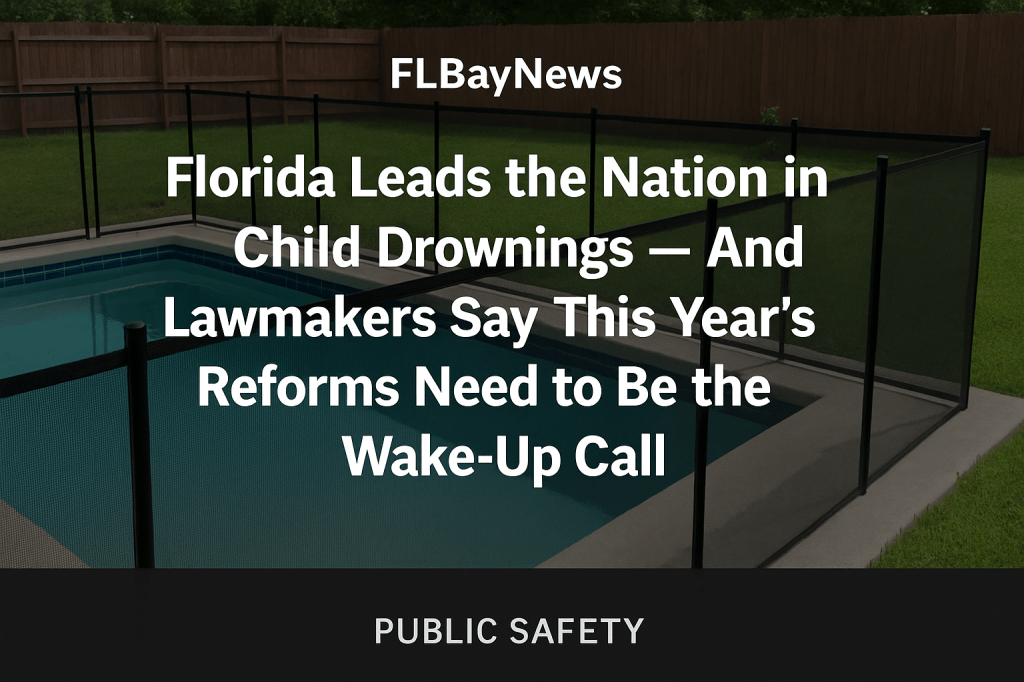
Florida Leads the Nation in Child Drownings — And Lawmakers Say This Year’s Reforms Need to Be the Wake-Up Call
Florida leads the nation in child drownings, with 98 casualties in 2023. Lawmakers are considering reforms for 2026, including mandatory pool barriers and improved safety education. Some oppose these regulations, citing property rights and costs. Families impacted are advocating for change amid a growing public safety crisis surrounding drownings.
-

Florida’s Tax Debate: What Low-Property-Tax Proposals Really Mean for Citizens
A Florida committee proposes significant property tax cuts for homeowners, aiming for benefits like increased homestead exemptions. However, critics warn these changes could mainly favor wealthier homeowners and risk essential public services funding, disproportionately affecting renters and vulnerable populations. Citizens are encouraged to engage in community discussions and seek targeted relief solutions.
 Florida Bay News