Tag: Politics
-
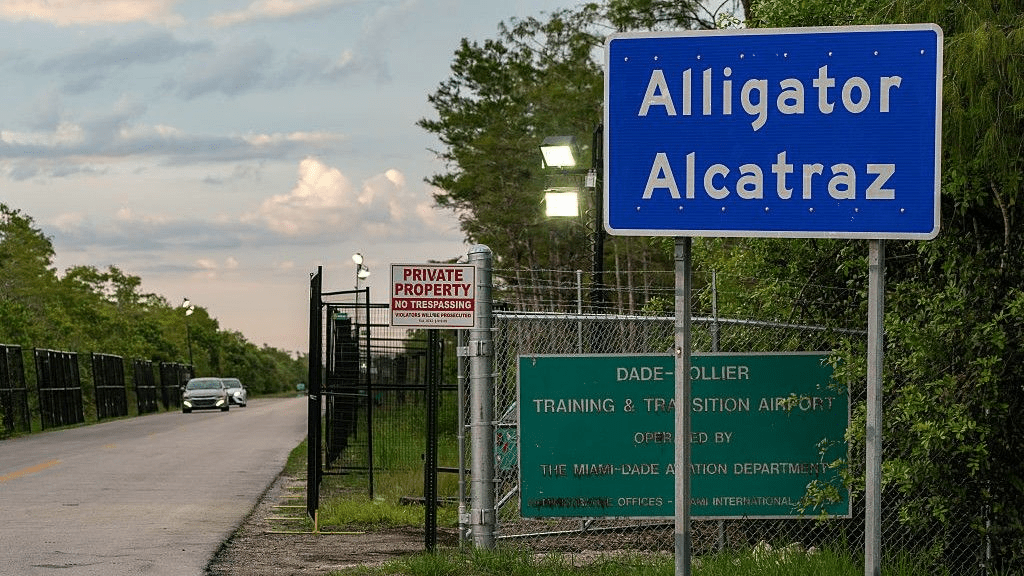
Florida’s Year of Turmoil: The Five Biggest Scandals and Stories of 2025
In 2025, Florida faced significant scandals impacting both parties, primarily linked to Gov. Ron DeSantis’ administration. Key issues included the Hope Florida Foundation scandal, misuse of public funds for political advocacy, and controversies surrounding Rep. Cory Mills. These events highlighted internal GOP conflicts and raised concerns about ethics and governance in the state.
-

Florida Man Sentenced to 3 Years After Police Chase Uncovers Illegal Machine Gun Conversion Device
A routine traffic stop in Tallahassee turned into a federal firearms case after police found an illegally modified handgun capable of automatic fire. A convicted felon from Homestead has now been sentenced to three years in federal prison, highlighting growing concerns over the spread of dangerous machine gun conversion devices on Florida streets.
-

Florida Lawmakers Revisit Grandparent Visitation — A Narrow Proposal Raises Big Questions About Family, Courts, and Child Welfare
As Florida approaches the 2026 legislative session, SB 674 seeks to expand grandparents’ rights to petition for visitation under specific tragic circumstances while prioritizing parental rights. The bill aims to ensure children’s emotional stability amidst loss but raises concerns about subjective interpretations in family court. Public attention to this legislation is critical.
-

Florida Family Courts Under Scrutiny: When Custody Failures Turn Deadly
Florida’s family courts are facing renewed scrutiny after a series of deadly custody-related domestic violence cases in Broward County. An investigative report highlights how warning signs were missed, enforcement failed, and reforms like Greyson’s Law remain uneven—raising urgent questions about how courts can better protect children and parents while preserving due process and fairness.
-
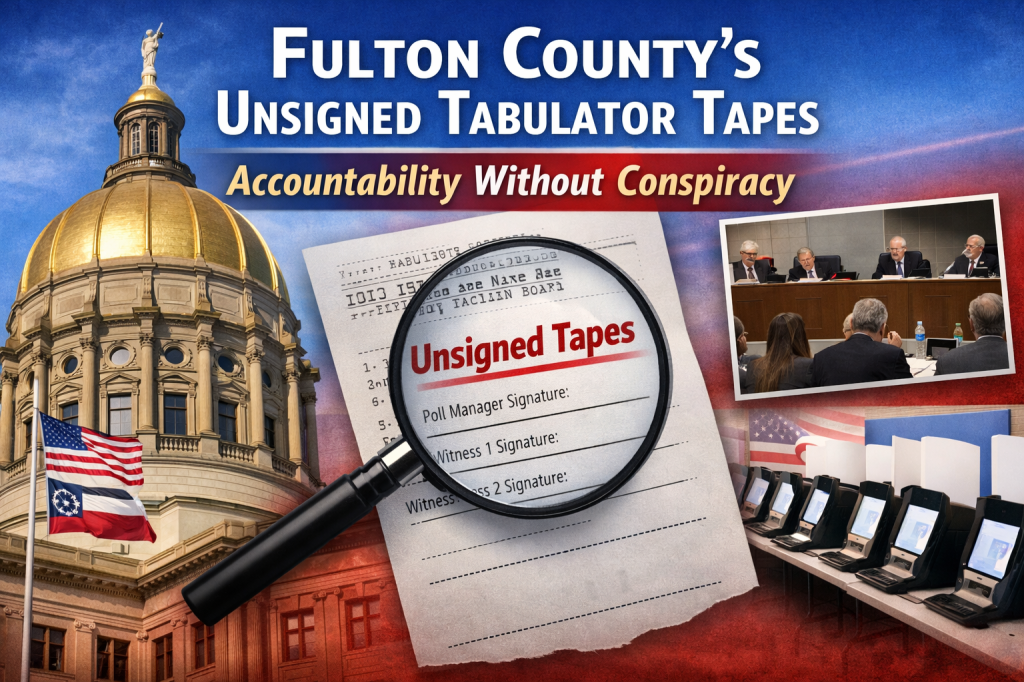
Accountability Without Conspiracy: What Fulton County’s Unsigned Tabulator Tapes Really Mean
A viral claim suggests Georgia acknowledged hundreds of thousands of illegal votes in Fulton County during the 2020 election. However, while 134 tabulator tapes lacked signatures, audits confirmed the votes were valid. The Georgia State Election Board referred the issue for potential sanctions but did not decertify the election. Election integrity requires enhancing administrative procedures.
-

Mississippi Supreme Court Elections Ordered by Federal Judge, Raising Questions About Race, Representation, and Judicial Independence
A federal court has ordered special nonpartisan elections for the Mississippi Supreme Court, declaring the state’s judicial districts violate the Voting Rights Act. This follows claims that the current system dilutes Black voting power. The ruling ignites debate on voting rights and federal intervention in state judicial elections, emphasizing the tension between race-conscious remedies and…
-

Alabama Judge Sentencing Case Shows Why Accuracy—and Accountability—Still Matter
Former Alabama Circuit Judge Gil Self was sentenced to 12 years in prison for misusing public funds, contrary to misleading reports suggesting a 50-year term. Alongside a $5,000 fine and a permanent public office ban, his case highlights the importance of accurate reporting and judicial accountability, especially concerning public trust in courts.
-

South Carolina’s Coercive Control Bill Could Redefine Abuse — and Reshape Family Court
South Carolina’s Senate Bill 702 aims to recognize “coercive control” as domestic abuse, significantly altering how family courts handle custody and divorce cases. While supporters see it as a means to protect victims of psychological abuse, critics warn it may infringe on due process rights, creating potential for misuse in contentious family disputes.
-

Florida’s Migration Slowdown Isn’t an Exodus — It’s a Normalization After an Unusual Boom
Recent reports suggest a decline in domestic migration to Florida, but the state is not facing a crisis. While high housing costs and insurance premiums have slowed the post-pandemic influx, Florida’s population still grows through international migration. The narrative of a mass exodus is exaggerated; Florida is simply normalizing.
-

South Carolina’s Family Court Fight Offers a Warning for Florida: Why Shared Parenting Reform Matters
A debate in South Carolina over shared-parenting reform highlights concerns that resonate in Florida, where similar issues persist. Advocate Rom Reddy argues for a 50/50 parenting presumption, revealing court overreach and inconsistencies. He emphasizes that reforms must be enforced to protect parental rights, ensure accountability, and prevent false accusations, impacting families nationwide.
 Florida Bay News