Deep South & Carolinas Desk
→ Georgia
→ Alabama
→ Mississippi
→ Louisiana
→ South Carolina
→ North Carolina
→ Puerto Rico

False Paternity, Real Consequences: Georgia Case Highlights a Blind Spot in Child Support Trust
A Georgia case highlights concerns in family law regarding trust and child support enforcement. An 18-year-old, Brya Hardy, allegedly deceived her ex-boyfriend into paying $7,000 in child support for a child that wasn’t his. This incident raises questions about verification processes and the potential for exploitation in informal child support claims.


Georgia’s Cop City RICO Setback: A Procedural Loss, Not a Verdict on Violence
A Georgia judge’s dismissal of sweeping RICO charges tied to Atlanta’s “Cop City” protests was a procedural setback—not a ruling on the merits. With the training center already open and separate violence-related charges still pending, the legal and political fight is far from over.
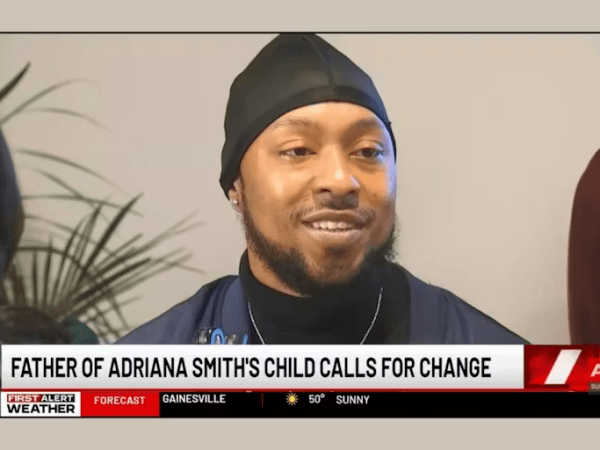
A Father Steps Forward: Georgia Custody Case Exposes Gaps in Unmarried Parents’ Rights
A Georgia family court ruling granted Adrian Harden full custody of his son Chance after the death of the boy’s mother, revealing gaps in state law that hinder parental rights for unmarried fathers. Advocates are calling for “Chance’s Law” to reform these outdated legal barriers and prevent unnecessary government intervention in such cases.
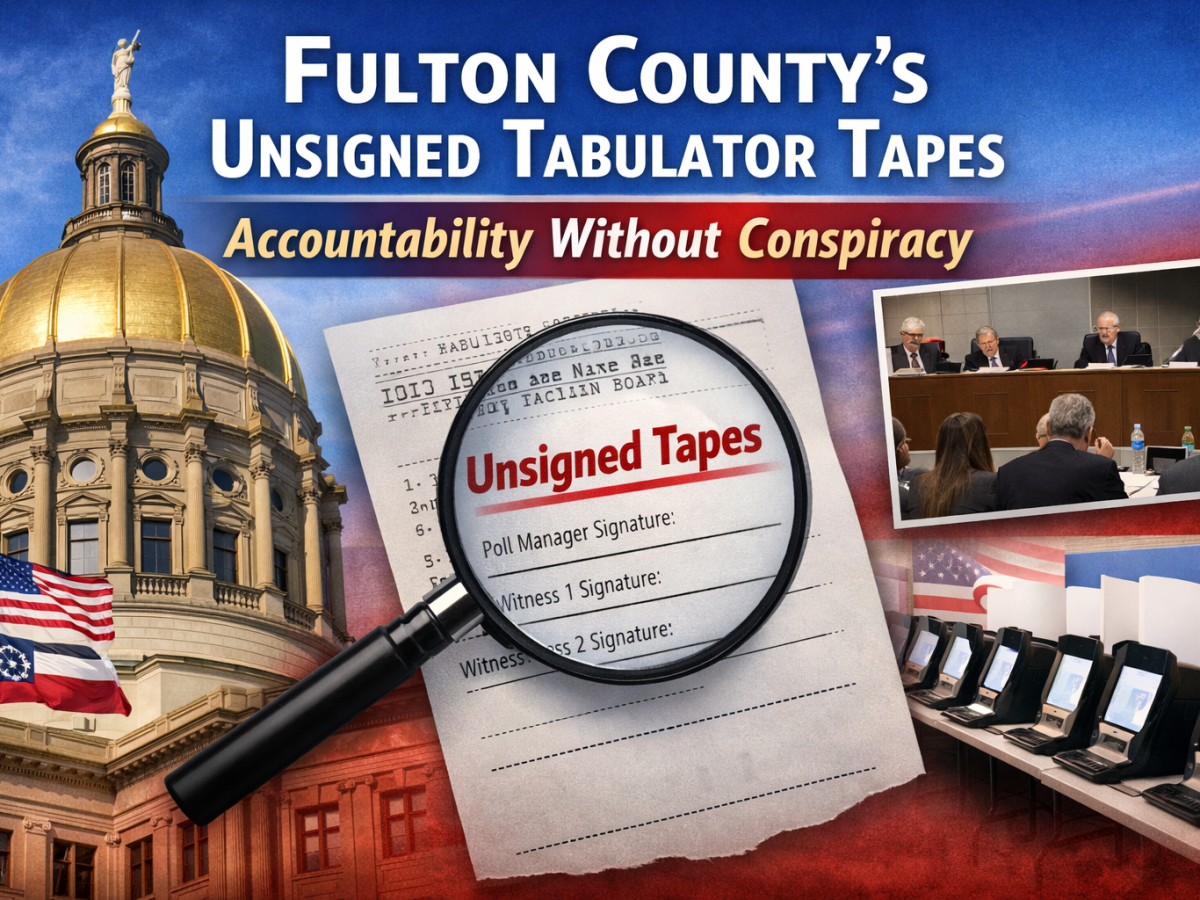
Accountability Without Conspiracy: What Fulton County’s Unsigned Tabulator Tapes Really Mean
A viral claim suggests Georgia acknowledged hundreds of thousands of illegal votes in Fulton County during the 2020 election. However, while 134 tabulator tapes lacked signatures, audits confirmed the votes were valid. The Georgia State Election Board referred the issue for potential sanctions but did not decertify the election. Election integrity requires enhancing administrative procedures.

Mississippi Supreme Court Elections Ordered by Federal Judge, Raising Questions About Race, Representation, and Judicial Independence
A federal court has ordered special nonpartisan elections for the Mississippi Supreme Court, declaring the state’s judicial districts violate the Voting Rights Act. This follows claims that the current system dilutes Black voting power. The ruling ignites debate on voting rights and federal intervention in state judicial elections, emphasizing the tension between race-conscious remedies and…

Alabama Judge Sentencing Case Shows Why Accuracy—and Accountability—Still Matter
Former Alabama Circuit Judge Gil Self was sentenced to 12 years in prison for misusing public funds, contrary to misleading reports suggesting a 50-year term. Alongside a $5,000 fine and a permanent public office ban, his case highlights the importance of accurate reporting and judicial accountability, especially concerning public trust in courts.

South Carolina’s Coercive Control Bill Could Redefine Abuse — and Reshape Family Court
South Carolina’s Senate Bill 702 aims to recognize “coercive control” as domestic abuse, significantly altering how family courts handle custody and divorce cases. While supporters see it as a means to protect victims of psychological abuse, critics warn it may infringe on due process rights, creating potential for misuse in contentious family disputes.

Quiet RICO: How a Small-Town Georgia DA Used a Powerful Law Without the Spotlight
Marie Broder, the district attorney for Georgia’s Griffin Judicial Circuit, employs the RICO law effectively, filing 13 indictments against 299 defendants, primarily targeting local gangs. Unlike Fulton County’s DA, she emphasizes restraint, achieving significant outcomes with fewer resources. Her approach, focusing on community safety over publicity, marks a notable model in prosecution.

South Carolina’s Family Court Fight Offers a Warning for Florida: Why Shared Parenting Reform Matters
A debate in South Carolina over shared-parenting reform highlights concerns that resonate in Florida, where similar issues persist. Advocate Rom Reddy argues for a 50/50 parenting presumption, revealing court overreach and inconsistencies. He emphasizes that reforms must be enforced to protect parental rights, ensure accountability, and prevent false accusations, impacting families nationwide.
 Florida Bay News