FLBayNews Staff
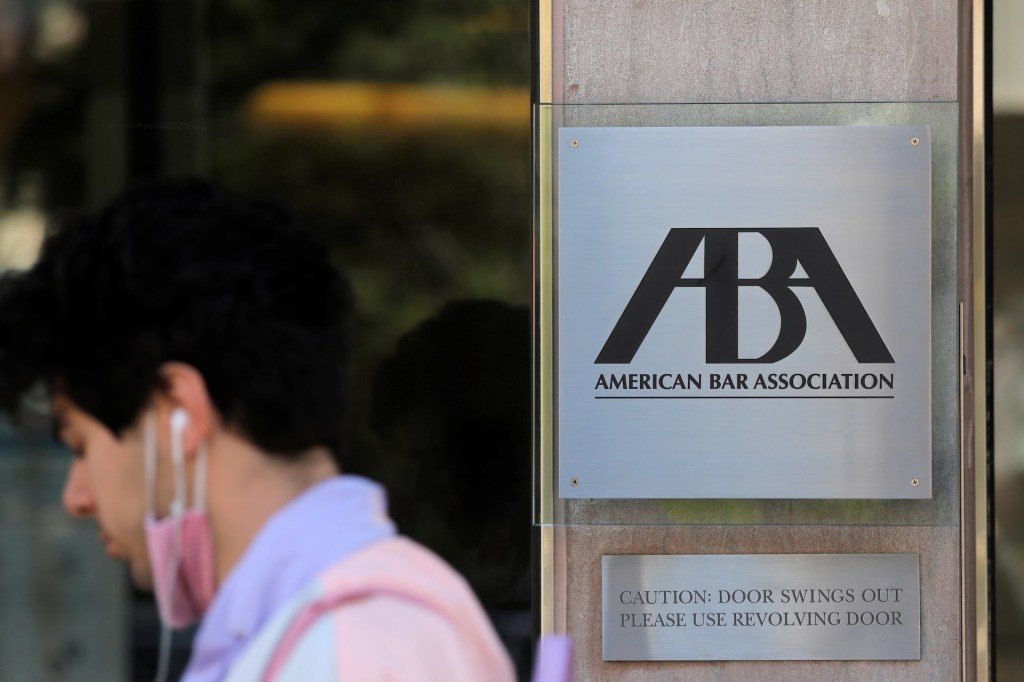
TALLAHASSEE, Fla. — In a significant shift for legal education and professional licensing, the Florida Supreme Court ruled on January 15 that Florida will no longer rely exclusively on the American Bar Association (ABA) to accredit law schools whose graduates may sit for the state bar exam.
The 5–1 decision makes Florida the second state—after Texas—to break the ABA’s decades-long hold on legal accreditation. The change, which takes effect October 1, 2026, allows graduates of law schools accredited by any future “recognized programmatic accreditor” to qualify for bar admission, while preserving eligibility for graduates of ABA-accredited schools.
Expanding Options, Challenging a Gatekeeper
In its opinion, the court said Floridians are best served by expanding pathways to “high-quality, affordable legal education” while safeguarding nondiscrimination and the free exchange of ideas. The ruling amends court rules that had made ABA accreditation the sole gateway to Florida’s legal profession since 1992.
Supporters argue the move introduces competition into a system long dominated by a single national body—one that critics say has drifted from neutral oversight into political activism.
DeSantis and Republicans Applaud the Move
Governor Ron DeSantis praised the decision on X as a “good move,” calling the ABA “highly partisan” and unfit to act as the lone gatekeeper of legal education. Florida Attorney General James Uthmeier has been even more direct, labeling the American Bar Association a “captured, far-left organization.”
Those criticisms intensified after the ABA clashed with religious institutions over its diversity, equity, and inclusion (DEI) standards—requirements the ABA suspended last year following widespread backlash. One flashpoint involved St. Thomas University College of Law, a Catholic institution that Florida officials argued was unfairly targeted under ABA nondiscrimination rules.
For DeSantis, the ruling fits into a broader effort to roll back what he calls “woke ideology” in higher education and professional institutions—an agenda that has reshaped boards, leadership, and policies across Florida’s university system.
A Lone Dissent Raises Concerns
Justice Jorge Labarga, the court’s sole dissenter and its only remaining non-DeSantis appointee, warned that abandoning exclusive reliance on the ABA could weaken oversight rather than improve it. Labarga argued that no alternative accreditor currently has the ABA’s decades of experience with Florida-specific legal standards and disputes.
He cautioned that replacing a known system with an undefined alternative risks uncertainty for students, schools, and the courts—especially if accreditation standards vary or become politicized in new ways.
Practical Impact Likely Slow—for Now
Despite the political symbolism of the ruling, experts say immediate changes may be limited. No alternative accrediting body has yet been recognized by Florida, and most law schools are expected to retain ABA accreditation due to its role in facilitating multistate practice and reciprocity.
Still, the door is now open—and that alone marks a profound change in how legal education may evolve in Republican-led states.
A Growing National Trend
Florida’s decision follows Texas’s similar move earlier this month, with Ohio and Tennessee actively exploring reductions in ABA oversight. Together, these actions signal a growing conservative challenge to what many see as an entrenched national monopoly over professional licensing.
Whether alternative accreditors emerge—or whether the ABA reforms itself in response—remains to be seen. But Florida’s ruling makes one thing clear: the era of unquestioned ABA dominance in legal education is no longer guaranteed.
Support Independent Journalism
Florida Bay News is part of the Bay News Media Network — a growing group of independent, reader-supported newsrooms covering government accountability, courts, public safety, and institutional failures across the country.
Support independent journalism that isn’t funded by political parties, corporations, or government agencies
Submit tips or documents securely — if you see something wrong, we want to know
Independent reporting only works when readers stay engaged. Your attention, tips, and support help keep these stories alive.
 Florida Bay News
Leave a comment