By Michael Phillips | FLBayNews
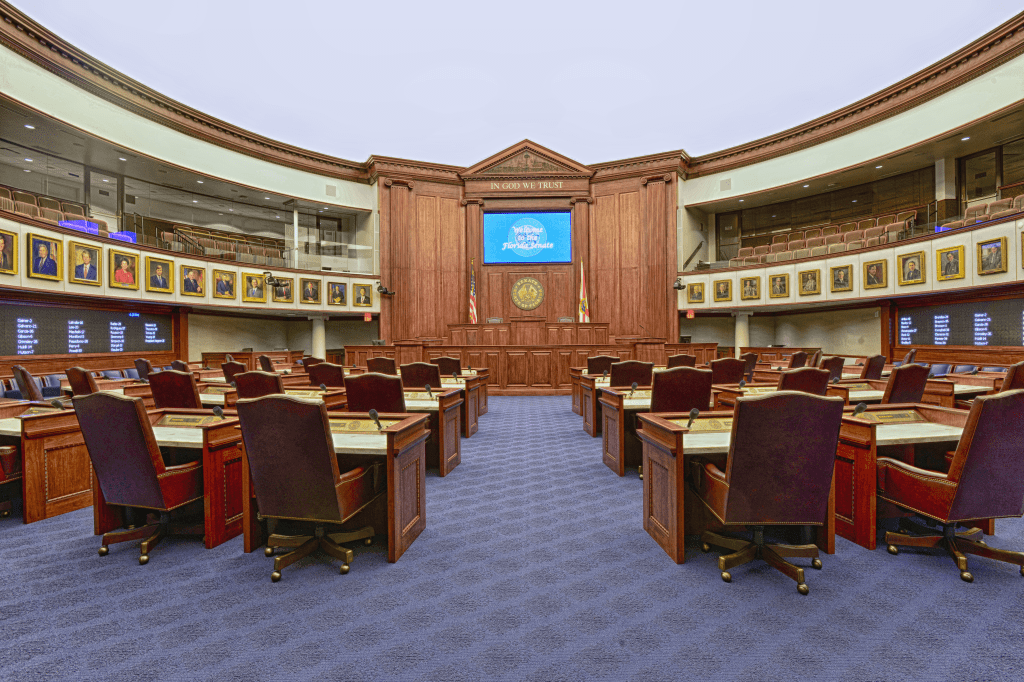
The 2026 Florida Regular Legislative Session convenes January 13 and is scheduled to run 60 days, likely wrapping up around March 13 if lawmakers stay on schedule. While Florida does not have a traditional pre-filing period for regular bills, activity has already been heavy: more than 1,200 bills and resolutions have been introduced heading into session, with new filings expected daily once lawmakers gavel in.
For Floridians trying to keep track, the most reliable sources remain the Florida Senate and House bill search tools, where legislation can be followed in real time by sponsor, topic, or bill number.
This year’s session is shaping up to be one of the most contentious in recent memory, with internal GOP divisions, friction between chambers, and major policy questions colliding with a proposed budget exceeding $117 billion.
Property Tax Relief: The Defining Fight
Property tax relief is poised to dominate the 2026 session. Ron DeSantis has made cutting — and potentially eliminating — non-school ad valorem property taxes on homestead properties a top priority, framing the issue as a direct response to rising housing costs and inflation.
Several proposed constitutional amendments are already in play, including phased-out eliminations of non-school property taxes, expanded homestead exemptions, and targeted relief for seniors. Because these changes would amend Florida’s Constitution, any final proposal must clear the Legislature and then win at least 60% voter approval in November 2026.
House leaders have floated multiple competing ballot options, while the governor has criticized a “menu approach,” arguing that voters deserve a clear, bold proposal. Local governments and school districts, however, warn that aggressive cuts could shift costs elsewhere or threaten funding for essential services.
Artificial Intelligence: Florida’s “AI Bill of Rights”
Another major front is artificial intelligence regulation. DeSantis has thrown his weight behind what his allies call an “Artificial Intelligence Bill of Rights,” most notably Senate Bill 482.
The proposal would restrict AI chatbot access for minors without parental consent, limit the sale of personal data by AI companies, and impose guardrails on government contracts involving certain AI technologies. Supporters see the bill as a proactive effort to protect children and privacy without waiting for Washington. Skeptics, including some House members, worry about overregulation and unintended consequences for innovation.
How aggressively Florida should regulate AI — and whether the state should act ahead of federal standards — will be one of the session’s most closely watched debates.
Insurance Reform Returns — Again
Insurance remains a perennial issue in Tallahassee. After several reform attempts stalled in 2025, lawmakers are again pushing property insurance changes aimed at stabilizing premiums and increasing transparency in rate filings.
There is also renewed momentum behind repealing Florida’s no-fault auto insurance system in favor of a fault-based model — a long-running conservative priority. Meanwhile, proposals to expand the My Safe Florida Home program would increase inspections and grants to help homeowners harden properties against storms.
Education, Healthcare, and Rural Policy
Education policy will see continued debate over school choice, voucher program growth, and proposals for multi-year teacher contracts. Lawmakers are also considering changes to vaccine requirements for schools — an issue that remains politically sensitive even years after the pandemic.
In the Senate, Ben Albritton is reviving his “Rural Renaissance” agenda, focused on expanding healthcare access, infrastructure, and economic development outside Florida’s major metro areas.
Healthcare legislation is expected to include efforts to reduce drug costs, ease certain regulatory barriers, and revisit malpractice liability rules that were vetoed or stalled last year.
Redistricting and the Shadow of a Special Session
Adding to the uncertainty, DeSantis has signaled openness to a possible April 2026 special session to revisit congressional maps — a move that could reshape Florida’s delegation ahead of the midterms. While no formal call has been issued, the mere prospect is already influencing legislative strategy.
What to Watch
The 2026 session will test Florida’s Republican supermajority as lawmakers balance tax relief, spending restraint, and regulatory ambitions against local government concerns and internal divisions. With hundreds of bills still moving through the pipeline, priorities could shift quickly.
For Floridians, this session is less about symbolism and more about tangible outcomes: tax bills, insurance premiums, data privacy, and the long-term direction of state government. The next 60 days will determine which promises survive the process — and which stall under the weight of competing interests.
Support Independent Journalism
Florida Bay News is part of the Bay News Media Network — a growing group of independent, reader-supported newsrooms covering government accountability, courts, public safety, and institutional failures across the country.
Support independent journalism that isn’t funded by political parties, corporations, or government agencies
Submit tips or documents securely — if you see something wrong, we want to know
Independent reporting only works when readers stay engaged. Your attention, tips, and support help keep these stories alive.
 Florida Bay News
Leave a comment