By Michael Phillips | FLBayNews
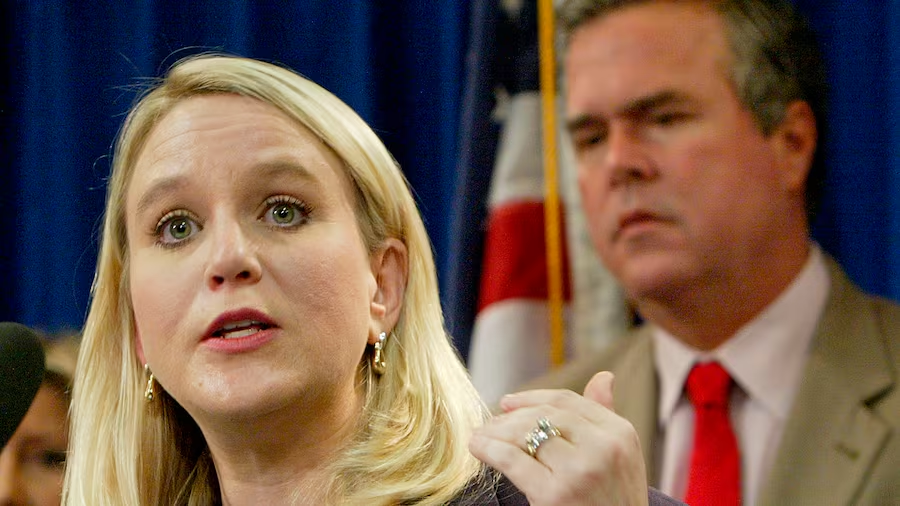
The guilty plea of Tiffany Carr, the former longtime CEO of the Florida Coalition Against Domestic Violence (FCADV), marks the end of one of Florida’s most disturbing nonprofit corruption scandals—and raises uncomfortable questions about accountability, oversight, and justice.
Carr entered a no-contest plea this week to organized fraud (a first-degree felony involving $50,000 or more) and official misconduct, admitting no guilt while accepting responsibility under Florida law. The plea stems from a years-long scheme that prosecutors say diverted millions of dollars meant for domestic violence survivors into inflated salaries, fictitious positions, and extraordinary paid time off for top executives.
The case, first exposed through investigative reporting by the Miami Herald, revealed a system where a politically protected nonprofit operated with little meaningful scrutiny—despite handling roughly $50 million a year in state and federal grants for 42 shelters across Florida.
A Deal That Avoids Prison
Under the plea agreement, Carr avoids incarceration that could have reached decades. Instead, she received:
- 10 years of probation
- More than $260,000 in fines, costs, and investigative fees
- Deferred sentencing contingent on her testimony against co-defendant Patricia Duarte, whose jury trial is scheduled to begin later this month in Leon County
Prosecutors justified the deal by citing Carr’s lack of prior criminal history and her cooperation as a key witness. Carr appeared remotely for the hearing from North Carolina, reportedly hospitalized, though details of her condition were not disclosed.
For many Floridians, the optics are hard to ignore: the woman entrusted with protecting abuse victims will not serve a day in prison for abusing the system herself.
How the Scheme Worked
According to investigators, Carr and Duarte used FCADV as a personal financial engine—approving inflated compensation, submitting false reports to the state, billing for vacant positions, and stockpiling millions in paid leave far beyond any reasonable nonprofit standard.
By 2018, Carr’s compensation drew national attention: a $761,000 annual salary and a staggering $7.5 million total package, including nearly $5 million in accrued PTO. Legislative scrutiny followed, leading the Florida Legislature to terminate FCADV’s exclusive contract and recover roughly $5 million in misused funds.
Carr resigned in 2019 citing health issues. In 2023, both she and Duarte were arrested after a Florida Department of Law Enforcement probe.
Political Protection and Delayed Accountability
The case also highlights a recurring Florida problem: state-funded nonprofits operating in a gray zone between public accountability and private insulation. FCADV was deeply embedded in Tallahassee, enjoyed bipartisan political cover, and functioned for years as a gatekeeper for victim services without rigorous, independent audits.
Then-Governor Ron DeSantis ultimately dissolved FCADV by executive order in 2021, replacing it with a restructured entity to restore oversight. But critics argue the damage—financial, reputational, and human—was already done.
Meg Baldwin, a former shelter director, told the court the fraud “repulsed donors” and siphoned resources that could have helped thousands of survivors. While the state recovered some money, no restitution can account for victims who never received services because funds were diverted.
The Duarte Trial Still Looms
Unlike Carr, Duarte has not reached a plea deal. She faces multiple felony counts, including organized fraud and grand theft, and could face significant prison time if convicted. Carr’s testimony will be central to the prosecution’s case—adding another layer of controversy to a plea deal critics say rewards the most powerful figure in the scheme.
A Broader Lesson for Florida
This case is not just about one executive’s greed. It is about structural failure.
Florida taxpayers were told these funds protected the most vulnerable women and children. Instead, weak oversight, political deference to favored nonprofits, and delayed intervention allowed millions to be misused before anyone acted.
Probation may satisfy the letter of the law. But for many Floridians—especially victims who went without help—it falls short of justice.
As Duarte’s trial approaches, the Carr scandal should serve as a warning: when accountability is optional, abuse of power is inevitable.
Support Independent Journalism
Florida Bay News is part of the Bay News Media Network — a growing group of independent, reader-supported newsrooms covering government accountability, courts, public safety, and institutional failures across the country.
Support independent journalism that isn’t funded by political parties, corporations, or government agencies
Submit tips or documents securely — if you see something wrong, we want to know
Independent reporting only works when readers stay engaged. Your attention, tips, and support help keep these stories alive.
 Florida Bay News
Leave a comment